The US government holds more Bitcoin than most countries hold in gold. Treasury Secretary Scott Bessent is now the person responsible for managing that pile, and his approach tells us a lot about where institutional crypto is headed.
I’ve been tracking the Strategic Bitcoin Reserve since Trump signed the executive order in March 2025. What started as a campaign promise has turned into one of the most complex asset management challenges in federal history. Here’s what I’ve found.
How the Reserve Actually Works

The foundation of the reserve is seized crypto, not purchased Bitcoin. When Trump created the Strategic Bitcoin Reserve by executive order, he directed federal agencies to consolidate all forfeited digital assets under Treasury’s control. Before that order, those holdings were scattered across the DOJ, IRS, and various law enforcement operations.
The numbers are staggering. Blockchain analysis firm Arkham Research has identified government wallets holding approximately 328,372 BTC. At recent prices, that’s north of $20 billion in Bitcoin alone. The government also holds smaller positions in other digital assets, though Bitcoin makes up the vast majority of the reserve’s value.
Bessent described the situation plainly during Senate testimony: “$500 million in seized Bitcoin retained by the US government had surged to over $15 billion while in custody.” That kind of appreciation is hard to ignore, even for skeptics.
Bessent’s “Deliberate Speed” Approach

Treasury isn’t rushing, and that’s by design. At a June 2026 Senate Finance Committee hearing, Bessent told lawmakers his department was “proceeding with all deliberate speed” on the reserve. He emphasized that this is “new technology” and “new ground,” and that the administration wants to “use best practices and things will be durable for the future.”
I read that as code for: we’re being careful because nobody has done this before. And they’re right. No major economy has ever attempted to formalize a strategic crypto reserve at this scale. The operational challenges alone are significant. How do you custody $20 billion in Bitcoin across government agencies? What security protocols apply? Who has signing authority?
These aren’t theoretical questions. Bloomberg reported in July 2026 that two government departments were actively competing for control of the reserve, creating bureaucratic friction that’s slowed implementation.
The Budget-Neutral Acquisition Question

The government can grow its Bitcoin holdings, but not by buying on the open market. Trump’s executive order limits additional acquisitions to budget-neutral strategies. That means no new spending. Instead, Treasury can convert other reserve assets, like petroleum or precious metals, into Bitcoin.
Bessent initially seemed to close the door on further purchases during a Fox Business appearance in August 2025. “We’re not going to be buying that,” he said. But he walked it back the same day on social media, posting that “Treasury is committed to exploring budget-neutral pathways to acquire more Bitcoin to expand the reserve.”
That flip-flop rattled markets briefly, but the policy itself makes sense from a fiscal standpoint. The government doesn’t need to add to the deficit to accumulate digital assets. It just needs to be strategic about what it already holds.
Legislative Momentum and State-Level Action
Congress is working to codify what Trump created by executive order. The Digital Asset Market Clarity Act, known as the CLARITY Act, has been moving through the Senate after passing the House. Bessent has been vocal about getting it done, calling it “very necessary to bring US best practices onshore.”
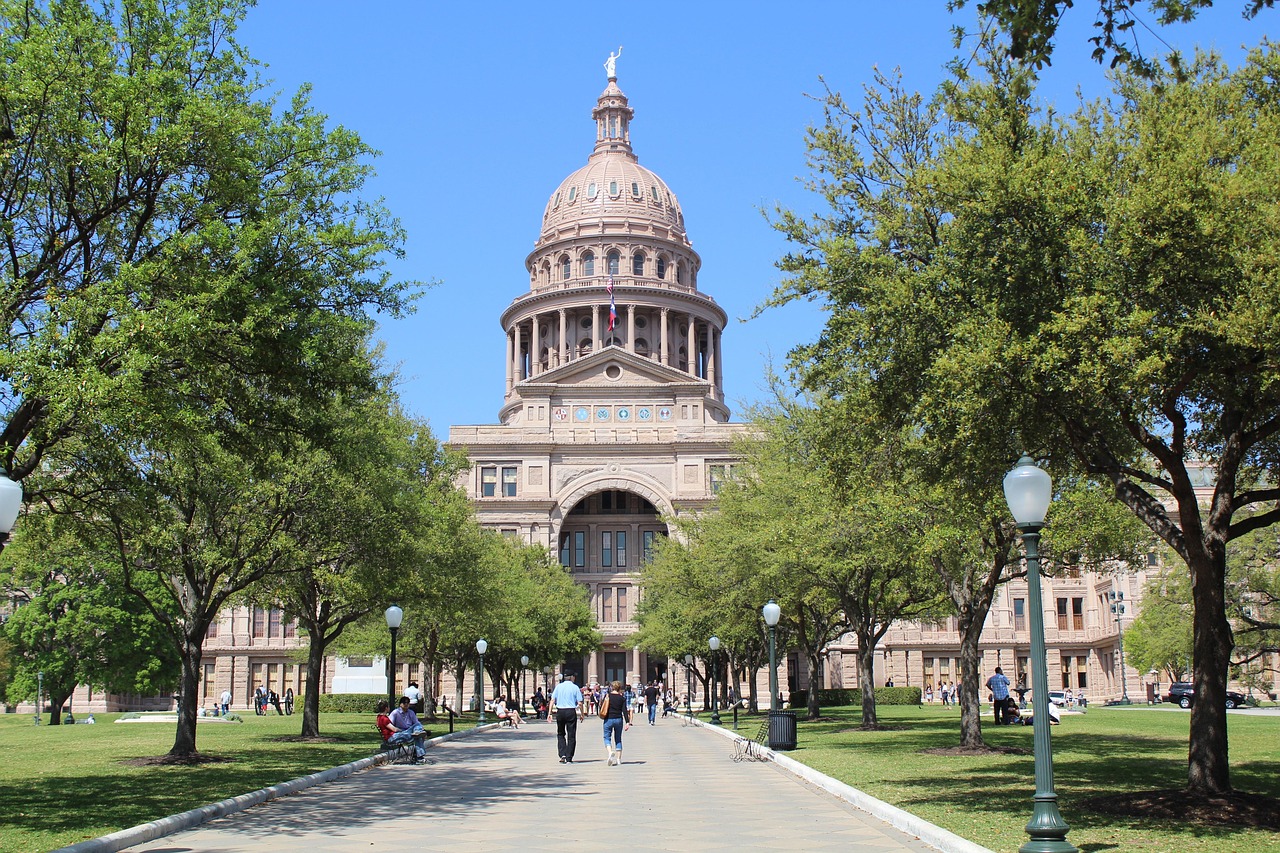
Meanwhile, individual states aren’t waiting for Washington. Texas has already passed legislation creating its own state-controlled crypto reserve. Representative Nick Begich reintroduced the American Reserves Modernization Act (ARMA) in April 2026, which would formally establish the federal program in law rather than relying on executive authority.
What This Means for Bitcoin’s Institutional Future

The US Bitcoin reserve signals a permanent shift in how governments view digital assets. Whether you think 328,000 BTC is too much or too little, the fact that the world’s largest economy is formally managing a strategic crypto position changes the conversation for every other nation-state.
Bessent called it “one of President Trump’s great legacies.” I think he’s right, though not necessarily for the reasons he intended. The reserve forces institutional frameworks to adapt to a new asset class in real time. Custody standards, accounting rules, and interagency protocols are all being built from scratch.
The next twelve months will be telling. If the CLARITY Act passes and Treasury develops a working acquisition strategy, the US could become the first government with a formal, legislated Bitcoin accumulation program. That’s a big deal for anyone paying attention to where crypto adoption is heading.